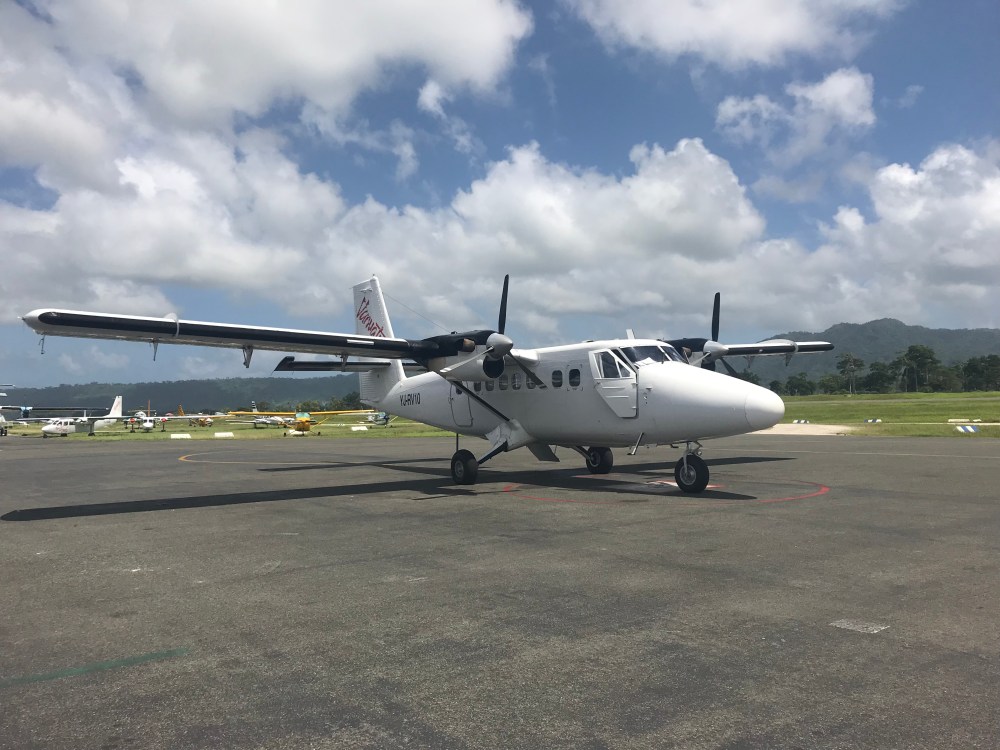
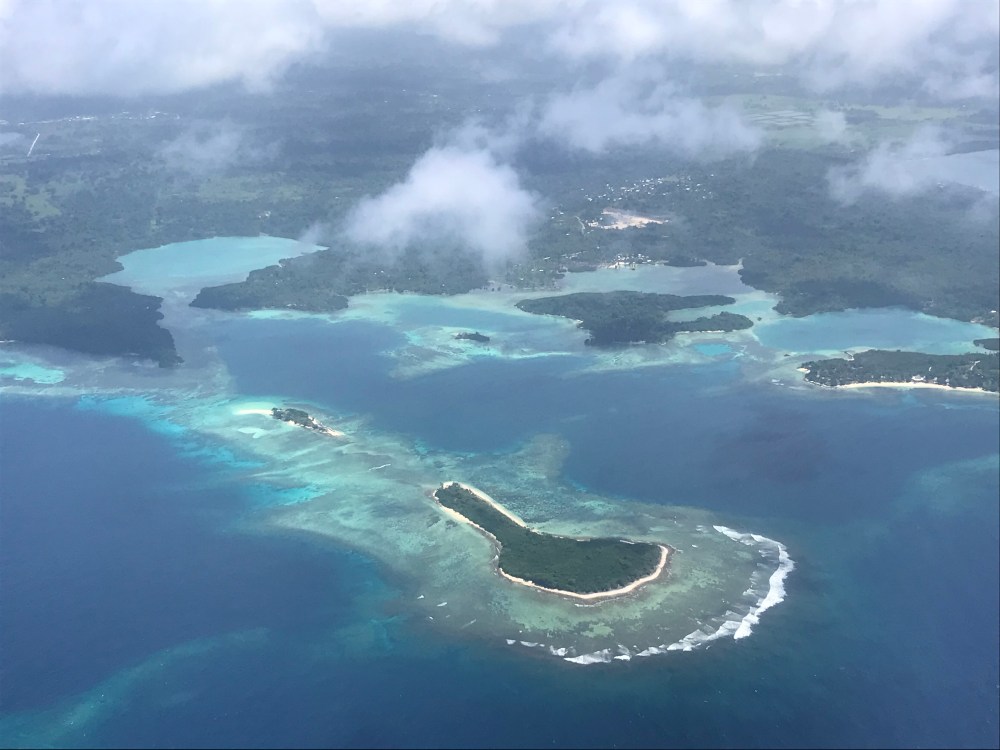
A couple of months ago, I changed my flight from Fiji so that I had time to visit Tanna, an island in the south of Vanuatu, and I don’t regret it! Paul Theroux calls this “the strangest island in Vanuatu” and it’s famous for three alleged world records: the longest-erupting active volcano, the largest banyan tree, and the last documented case of tribal cannibalism (in 1969). I flew to Port Vila, the capital of Vanuatu, on Wednesday morning and transferred to the domestic terminal, which consisted of little more than a building with some check-in desks and a runway (no security checks whatsoever!). There were several planes of various sizes outside the terminal, so I was very excited when our small group of exclusively westerners was led to the smallest plane. We all got on, the two pilots closed the doors and off we went! The views taking off from Port Vila were absolutely spectacular, with tiny unspoilt islands fringed with white sand beaches and jewel-blue ocean.
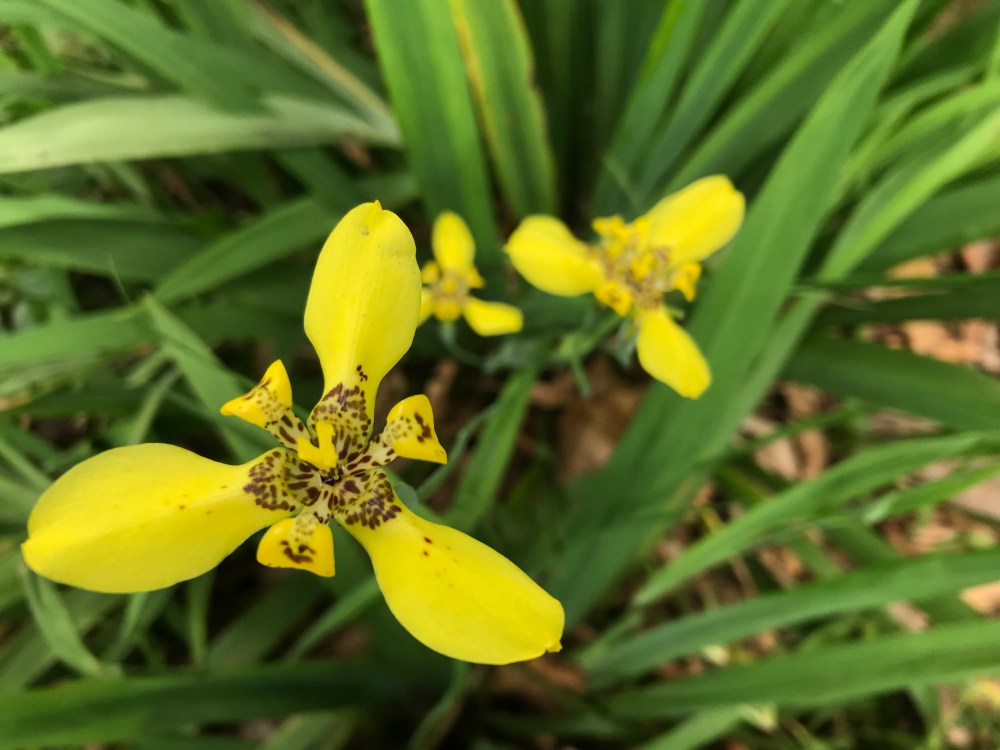
When we arrived, I was met by a driver who brought me to my jungle homestay in the south of Tanna. To reach the village of Imayo, which took just over an hour, we drove first of all over new tarmac and concrete roads, then over the ash field at the base of the volcano, Mount Yasur – which felt like driving on the moon! – and finally over rough dirt tracks through the jungle. I freaked out a bit when I saw my bungalow, as it was literally a one-room hut made from bamboo with a bed in it – quite a change from everywhere else I’ve stayed. I managed to get a grip on myself and resolved to stay for the two nights I’d booked, make the most of it and have a bit of an adventure. I’m glad I did. The village is very peaceful – apart from the occasional roars from the volcano, which can be heard from here! – and I’ve got some nice photos of the beautiful plants and flowers in the jungle around the village.
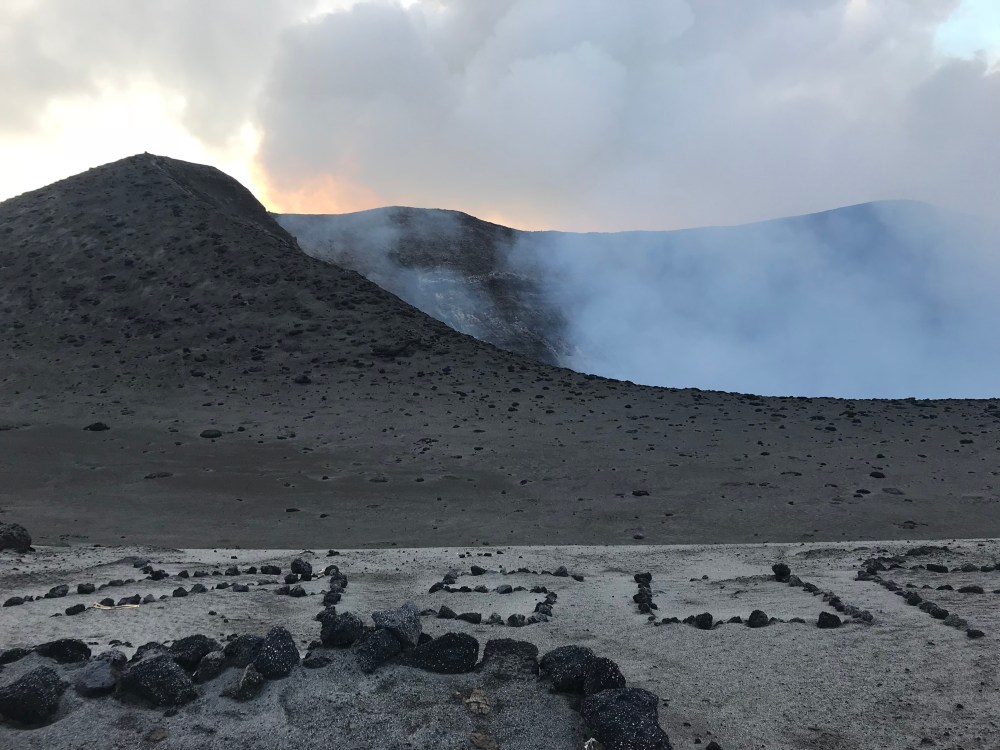
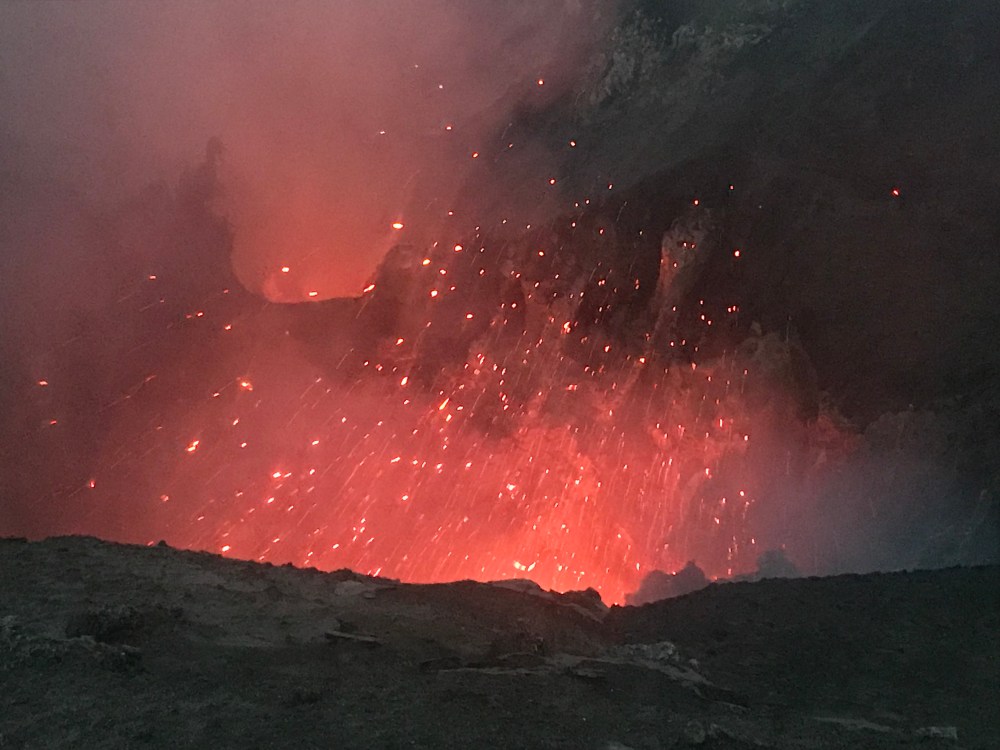
The weather was clear on the day I arrived and Mount Yasur’s activity level was 2 out of a possible 5, so it was a good day to visit the volcano. We drove through the jungle to arrive at the start, where we paid about £60 each (yes, the volcano is expensive to visit!). We began with a traditional tribal dance performance, which was short but sweet, before boarding more 4x4s to take us to the base of the volcano. The walk up to the rim, which takes in several viewing platforms at different angles, is not far but a little steep in places. It was well worth the journey and the entry fee to see the volcano grumbling away at the top. The lava eruptions are constant, with larger ones every few minutes. Sometimes the crater is covered in smoke, which comes both from the main lava chamber and from side vents, and at other times the smoke clears and you can see the rock formations inside the crater. We were up there for a couple of hours but I could happily have watched for longer; it was mesmerising. The sun set towards the end of our visit, and the rocks and lava thrown up by the eruptions started to glow with colour. You can hopefully see from the pictures below (taken on an ordinary iPhone 7) how close we were to the volcano and how extraordinary and beautiful the whole thing was. It’s truly an experience of a lifetime and very highly recommended! It would have been nice to receive more information about the volcano’s geology and previous eruptions from the guides or visitor centre, but I’m sure they’ll get to that in time. Tourism is very much in its infancy on the island.
The people in Tanna were very friendly, as they were in Fiji. The driver met me at the airport without any signs and I was suspicious and asked him to call my host; I had to remind myself afterwards that this isn’t the kind of place where fake taxi drivers show up at the airport and try to trick tourists (not least because fuel costs twice as much as in the UK!). I spent some time talking with my hosts: Morris, his wife Suzy and their teenage son, Matthew, who is one of six children. Matthew told me that he walks for over two hours to get to school each day. He’s been to Port Vila, where he’d like to go to university, but never to any other islands or countries. I also got the chance to ask about cannibalism at last and he told me that it stopped here around 20 years ago (!) and he’s not quite sure why it stopped! That was a surreal moment. Morris and his family took great care of their guests and even provided lunch and dinner at a very reasonable rate, which was needed as the homestay was surrounded by jungle and the nearest shop or restaurant was at least two hours’ walk away.
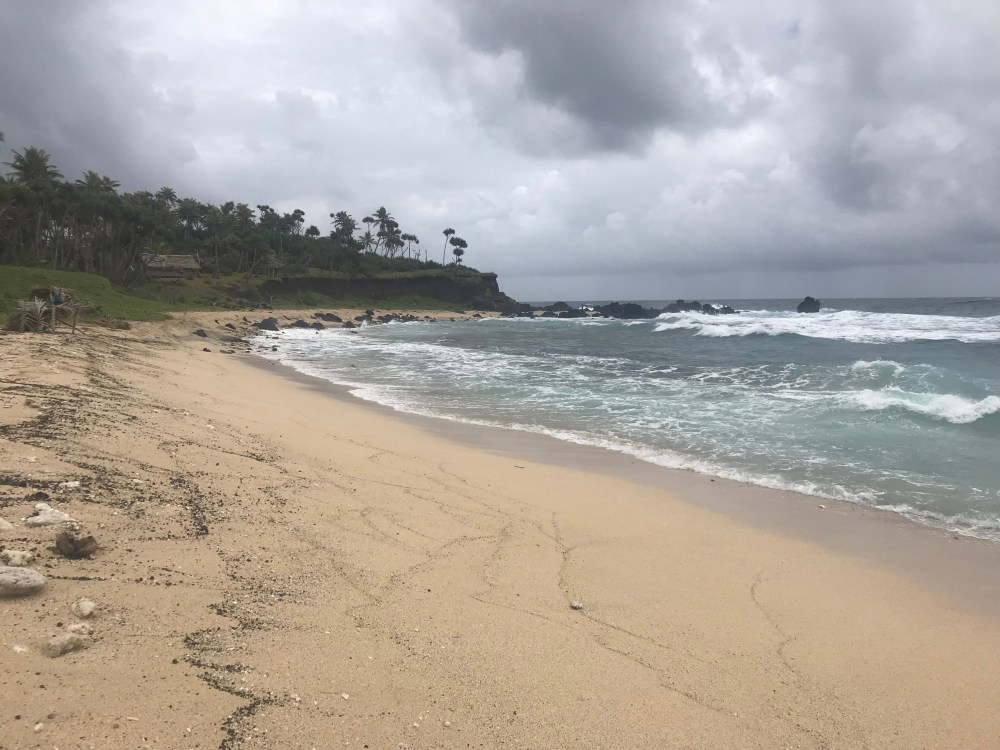
I also visited Port Resolution, in the south of Tanna, before leaving. This is apparently where Captain Cook landed when he discovered the island. I took a walk along the beautiful white sandy beach (most of the beaches on the island have black sand) with a nice British couple, Rachel and Alex, who were staying in the same bungalows as me. The beach is incredibly unspoilt and virtually unchanged from how it would have been hundreds or thousands of years ago. Rachel was an interesting person to have around as she had a Geology degree and showed me different types of rock from the volcano and explained how they had formed.
After a very uneventful flight back from Tanna – sadly in a normal-sized plane! – I transferred to a beach-side bungalow about 15 minutes’ drive from Port Vila. I’m glad I stayed here after Tanna as the resort is stunning – definitely the nicest place I’ve stayed so far. I’ll post more about it soon!
 Helen the Liege
What an interesting blog. Love the volcano pictures! Such a wonderful trip.
LikeLike